Starting any new therapy can feel like stepping into the unknown. If your child is beginning Speech-Language Pathology (SLP) therapy—often referred to simply as speech therapy—you likely have questions about what actually happens during that dedicated time.
At Bista, we believe in clear communication, not just for our clients, but for our families! Understanding the structure and goals of a typical session can empower you to support your child’s progress at home.
1. The Foundation: Building Trust and Observation
A successful speech therapy session starts long before the first activity. The initial minutes are dedicated to creating a safe, engaging, and motivating environment.
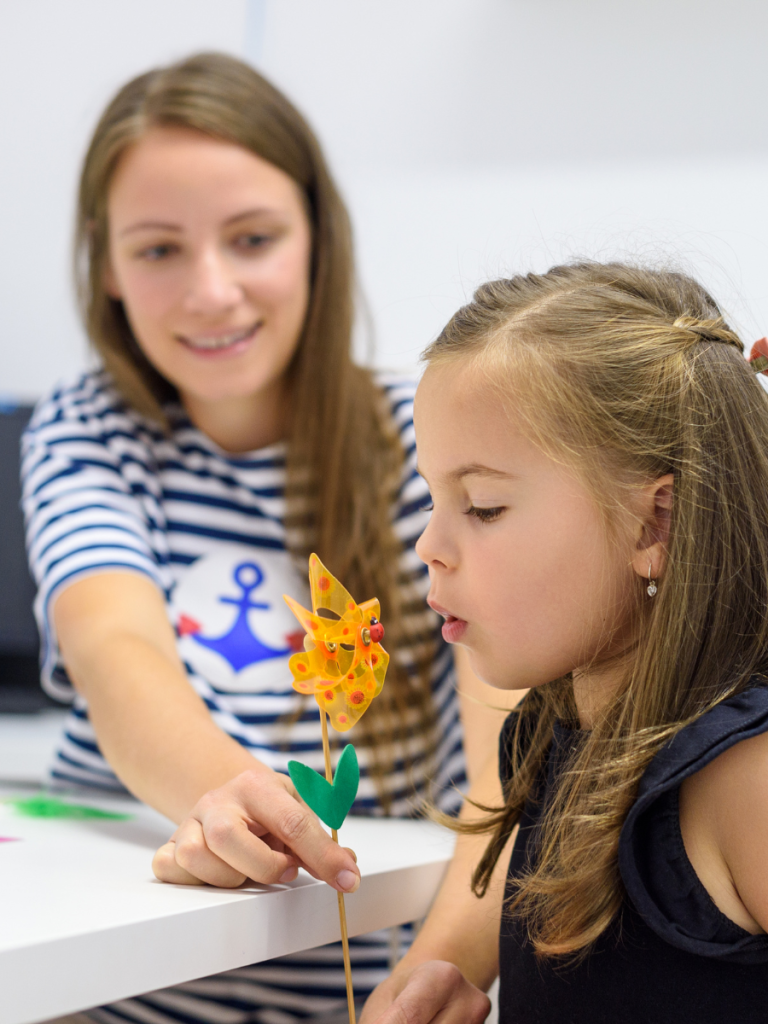
- Warm-Up and Connection: The Speech-Language Pathologist (SLP) or Speech-Language Pathology Assistant (SLPA) begins by building rapport. They might greet the child and engage in a few minutes of play or preferred activities. This helps the child feel comfortable, reducing anxiety and increasing their readiness to learn.
- Observation and Baseline: Even during play, the therapist is observing. They are taking note of the child’s natural communication style, attention span, problem-solving skills, and social engagement. This ongoing observation allows them to pivot the session dynamically based on the child’s current mood and needs.

2. The Core: Targeted, Play-Based Activities
The heart of a Bista speech therapy session is targeted intervention delivered through motivating activities. We utilize the power of play because children learn best when they are engaged and having fun.
The activities are never random; they are meticulously planned based on the child’s Individualized Treatment Plan (ITP), focusing on areas like:
Area of Focus | Example Goals and Activities |
Articulation/Phonology | Practicing specific sounds (e.g., ‘R’ or ‘S’) through games that require saying target words correctly (e.g., matching picture cards). |
Expressive Language | Encouraging the child to use new vocabulary, combine words into sentences, or request items using complete phrases during a cooking or building game. |
Receptive Language | Improving the child’s ability to follow directions (one-step or multi-step) or understand concepts (e.g., size, location) through interactive story time or barrier games. |
Social Communication (Pragmatics) | Role-playing conversations, practicing turn-taking, understanding non-verbal cues, or initiating interactions during structured play with toys or peers. |
3. Techniques in Action: Prompts and Positive Reinforcement
During the core activities, the therapist uses specific clinical techniques to elicit the desired communication response:
- Prompting Hierarchies: The therapist strategically offers just the right amount of support (e.g., a verbal cue, a physical gesture, or modeling the correct word) and then systematically fades that support as the child becomes more independent.
- Positive Reinforcement: When the child successfully attempts or achieves a target skill, they are immediately rewarded with something motivating (e.g., praise, a high-five, a turn with a favorite toy). This strengthens the connection between the successful communication and a positive outcome.
4. Integration: Connecting Communication to the World
Communication isn’t isolated to the therapy room. A key aspect of an effective session is making sure the skills learned are ready to be used in everyday life.
- Generalization Practice: The therapist may change the setting, the materials, or the communication partner within the session to ensure the child can use their new skill flexibly. For example, practicing “more” with a toy, then with a cracker, and finally, with a request for a hug.
- Functional Communication: The focus is always on communication that serves a real purpose, whether it’s clearly asking for help, expressing a choice, or sharing an observation.
What You Should Do Next
The most valuable part of a session for parents is the wrap-up. The therapist will discuss what was worked on, what strategies were most successful, and most importantly, give you specific, easy-to-implement tips to carry over the skills into your home routine. This partnership is what drives long-term success.
Ready to start a communication journey built on expertise and collaboration? Contact Bista today to learn more about our Speech Therapy program and schedule an intake.
Every child is unique, and these tips may look different depending on your child’s preferences and needs. This content is for general informational purposes and is not intended as specific medical or therapeutic advice.