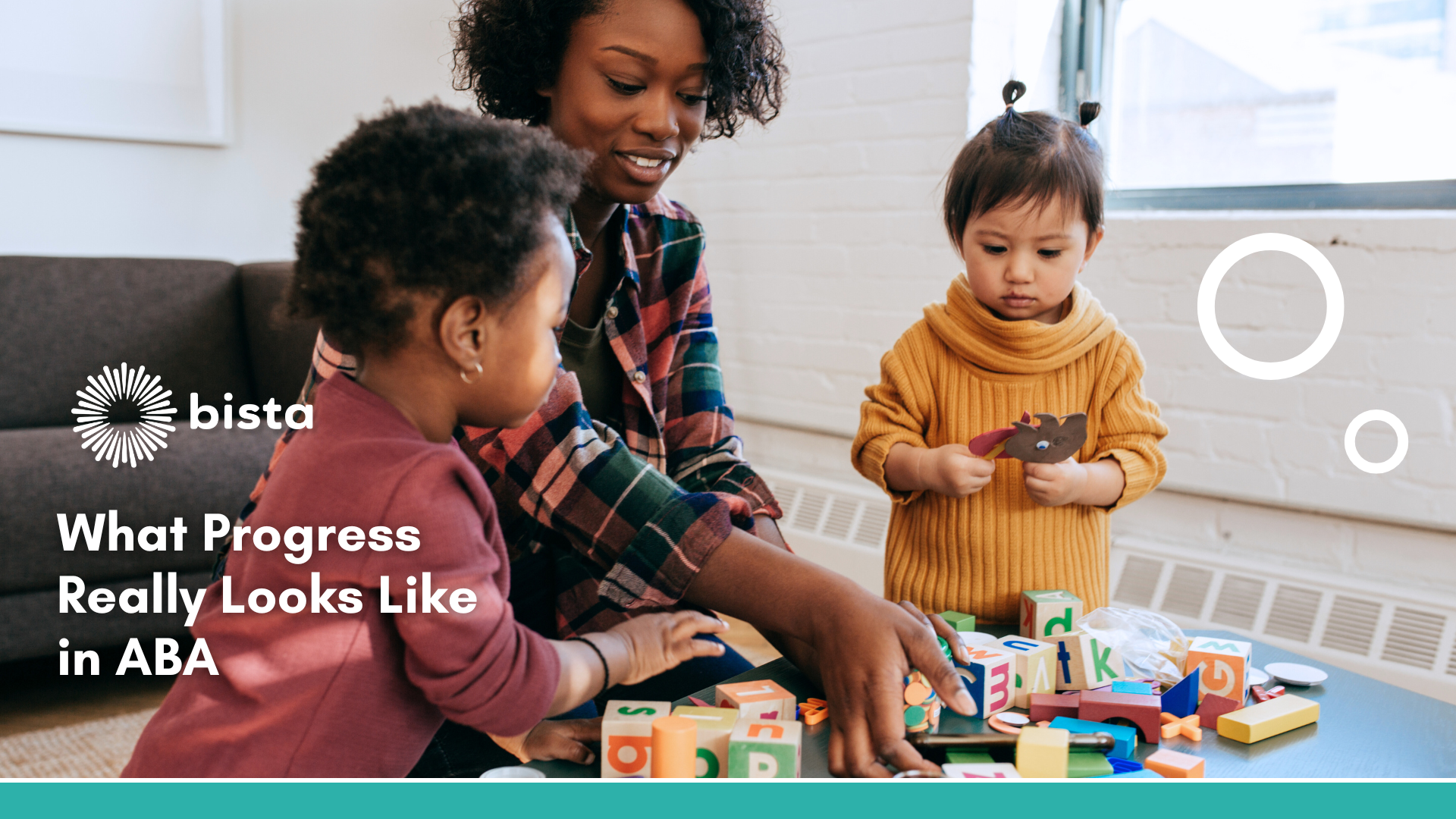

Friendship looks different for every child, especially for children with autism or developmental delays. Some children enjoy parallel play. Others prefer shared activities with simple turn-taking. Some are still learning how to communicate their interests or join a group.
Your child’s communication style, sensory needs, and interests all shape how they connect with others. There is no single “right” way to make friends. What matters most is helping your child experience positive, low-pressure interactions that feel safe and enjoyable.
Using Your Child’s Interests to Build Early Friendship Skills
Play is the foundation of friendship, and interest-based play is often the most effective way to help children engage socially. Start by noticing what your child naturally gravitates toward. If they love building, invite another child to build alongside them. If music captures their attention, create a simple rhythm game two children can share. Sensory activities, such as water play or kinetic sand, also lend themselves to easy, low-pressure interaction.
Shared interests reduce uncertainty and give your child a sense of control. When they are already enjoying an activity, it becomes easier to tolerate another child nearby and eventually engage in small social moments. These early experiences form the building blocks for deeper interaction over time.
Modeling Social Skills for Children with Autism
Children often learn social behavior by watching trusted adults. Modeling is an essential strategy in both ABA and naturalistic learning.
You can model:
- Offering a toy to a peer
- Using simple greetings
- Waiting briefly for a turn
- Asking for help
- Commenting on play ideas
Children often learn social behavior by watching trusted adults. Modeling is an essential strategy in both ABA and naturalistic learning.

Supporting Communication Skills During Social Play
Supporting communication in any form is one of the most important parts of helping a child with autism build meaningful connections.
Communication plays a key role in forming relationships, but it does not need to be verbal to be effective. A child may point, gesture, sign, hand over an object, or use a device to communicate during play. All of these forms of communication deserve support and recognition.
Before a new social situation, you can briefly preview possible ways your child might communicate. For example, you might practice handing over a toy to start play or using a simple phrase on a communication device. When siblings or peers understand what your child’s communication looks like, it becomes easier for them to respond and engage. This shared understanding reduces frustration and builds confidence on both sides.
Keeping Social Opportunities Short and Successful
Short, positive interactions are great for building social skills. A ten-minute playdate that ends well can be more powerful than a long one that becomes overwhelming. Start small and gradually increase time as your child gains comfort. Brief interactions help your child practice regulation, build confidence, learn what to expect, and avoid frustration.
If your child needs a break, that is completely okay. Breaks support emotional regulation, which is essential for social success. The goal is a positive experience that your child will want to try again.

Recognizing and Celebrating Social Progress
Not all social progress is obvious. Many of the most meaningful improvements are subtle and internal.
You might notice your child:
- Watching peers more than before
- Imitating actions during play
- Accepting a turn
- Smiling at another child
- Staying near peers for longer
- Showing curiosity about what others are doing
These moments show increased readiness for connection and improved social awareness. Celebrate these steps and share them with your ABA team so goals can grow with your child.
Supporting Social Development Through ABA
ABA therapy often incorporates social skill development through natural play, modeling, and structured opportunities to practice interaction. Therapists may work on joint attention, communication during play, flexibility, emotional regulation, and responding to peers. The goal is to help children experience social moments as predictable and rewarding.
When parents and therapists collaborate, children receive consistent support across home, school, and community settings. This consistency strengthens learning and helps social skills become more natural and meaningful.
Connection Matters More Than Perfect Social Skills
The purpose of social skills is not to shape your child into interacting in any particular way. The true goal is to support your child in feeling safe, confident, and understood during interactions that matter to them. Connection can happen in small steps and quiet moments. These experiences build a sense of belonging and help your child develop relationships at a pace that respects their needs.
When your focus stays on connection rather than perfect skills, your child gains the space they need to grow.
Partnering With Bista
At Bista, we support children in building communication, play, and social-emotional skills that lead to meaningful connections. Our individualized, compassionate approach helps each child learn in ways that match their interests, personality, and developmental stage.
If you would like strategies tailored to your child’s social development, we are here to help.
???? Learn more about Bista’s programs including our ABA-Based Social Groups.
Every child is unique, and these tips may look different depending on your child’s preferences and needs. This content is for general informational purposes and is not intended as specific medical or therapeutic advice.